
Getting Your Son Back in the Game
What to do when video games start replacing sports.

“I just want to play one more game,” he says. “Please?”
“Well, it is the only thing he enjoys,” you rationalize as you reset the kitchen timer. “At least I know where he is.”
And so the pattern continues.
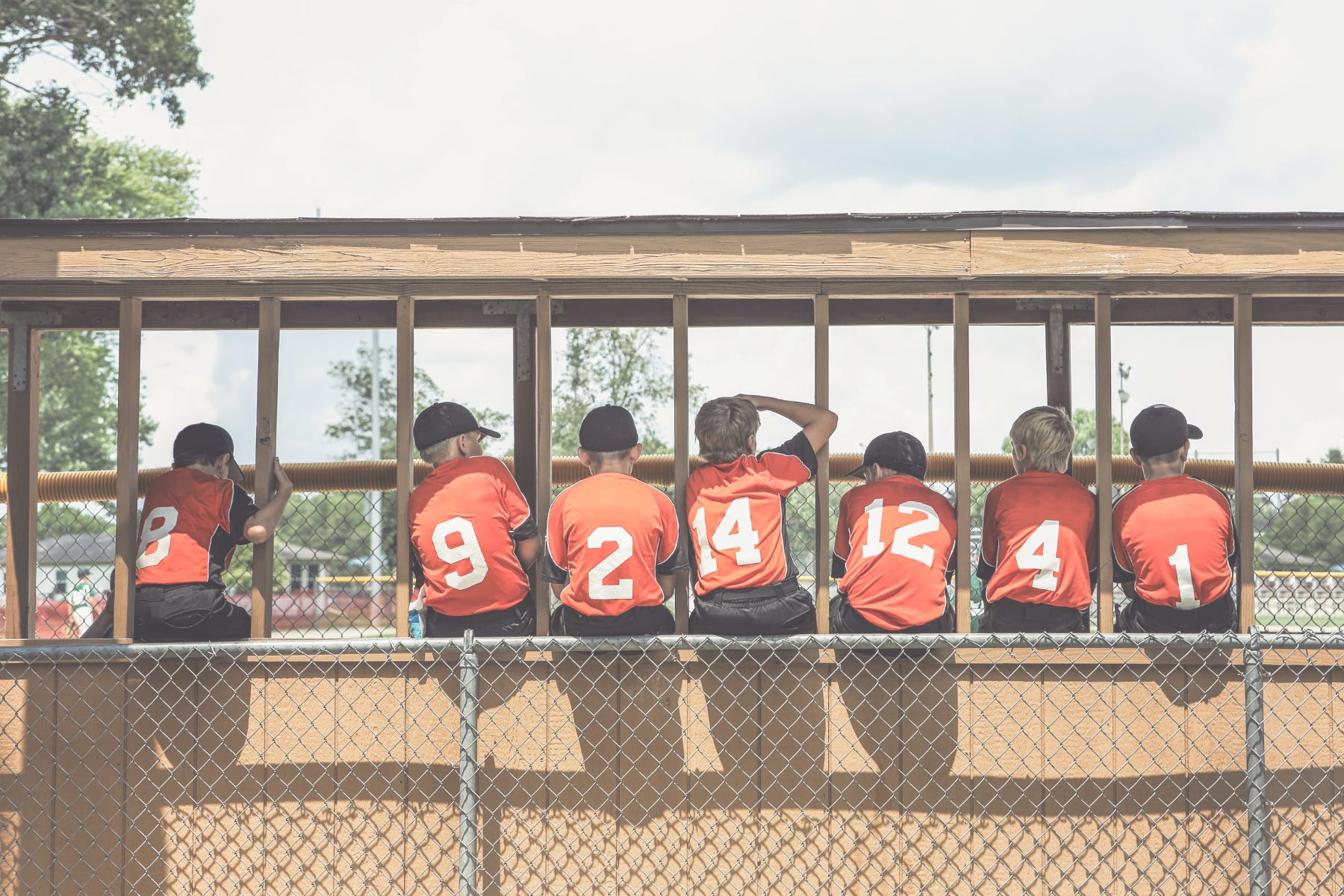
No parent is blind to the shift: a son pulling away from sports and becoming more immersed in the virtual world. The energy that used to go into practice, into games, into actually doing something in the real world is now entirely focused on one thing: gaming. The couch has become his home base, and the team that used to need him doesn’t hear from him much anymore. Maybe he even has a new team, an online one made of “teammates” you—and maybe even he—have never met.
When parents see this shift, they feel uneasy. But instead of taking action, they wait. They tell themselves it’s just a phase, and they hope it works itself out.
As the mother of a video game addict, I can tell you it won’t, not without your help and intervention.
If you haven’t read Part 1 of this discussion on video games and sports that we shared last week, start there. It lays out what sports actually build in a boy’s life and why video games so easily replace them.
This is Part 2: what you actually do when you see it happening in your own home, that’s not waiting for a miracle.
The Pattern Won’t Fix Itself
Once gaming starts replacing sports, that pattern will continue unless something changes. Boys don’t naturally choose the harder path when an easier, more rewarding option is always available.
Sports take effort, patience, and a willingness to struggle. Gaming delivers quick wins and instant rewards, and once a boy gets used to that, real sports start to feel frustrating, slow, and “not fun.”
There’s something else worth naming here. One of the biggest reasons boys are struggling with depression and low motivation today is that they simply aren’t moving enough. Exercise is one of the most powerful protective factors against depression that we have. A screen cannot replicate that. Every boy, on some level, knows the difference between winning a virtual game and the feeling of pushing his body hard and coming out stronger on the other side.
This is why giving in to the gaming default isn’t neutral. It’s costly.
The good news: all boys are built to be athletic (yes, really). Not every boy will be a star, and not every boy will love the same sport. But boys are wired to move, compete, build strength, and challenge themselves physically. Athletic confidence isn’t a gift that a few kids are born with. It grows through repetition, effort, and showing up. Your job isn’t to find a future athlete. Your job is to find what fits your son and help him get there.
That’s the coaching you need to put on right now.
How to Get Him Back on Track
Here are some practical ways to help your son reconnect with sports. But first, get the video games out of your house. Even the thought of them lying unused somewhere in the attic will compete with and distract from his ability to re-engage with the real game happening on the field.
Sign him up.
Do not wait for your son to take the lead. He won’t. Be the parent. Find a team, meet the deadlines, and get him there. Do not expect enthusiasm at first, that comes later. The younger he is, the more you can lean on firm, steady guidance. If he is older, give him some input, but keep the expectation clear that he will find a sport. This matters.Grab a friend.
Everything is easier with a friend. Your son will be more motivated if someone he knows is there with him. Partner with another family when you can. Carpooling helps with busy schedules, and the time spent talking builds connection. Remember to keep it a no-device car. (If you can’t find a friend to start with, no worries, he will make new ones on the team.)Inspire him.
Bring sports into his daily life. Read athletes’ biographies together and talk about what it took for them to improve, overcome setbacks, and succeed. Subscribe to a kids’ sports magazine. Let him see that you care about sports too. In our family, we watched the entire 30 for 30 series from ESPN, which highlights incredible sports stories through documentaries. Stories like these help boys see that real growth, discipline, and perseverance are what make sports meaningful.Collect something.
Give him another way to connect with sports. Start a sports card collection. Go to games and collect autographs. Let him take photos and learn sports photography. These small connections build interest over time.Connect with others.
Look for people in your community with a sports background. Coaches, former athletes, college players. Introduce your son to them. These interactions can be more powerful than you expect.Make it a family affair.
Make sports part of your family culture. Attend games together. Watch games at home. Talk about effort, teamwork, and improvement. Show him that sports matter in your home. Do you have a team to root for? If not, get one and make traditions around watching games and playoffs, etc.
The Questions Parents Ask Most
What if he gets cut from his team?
This is a critical moment, make no mistake. Many boys who get cut go home and turn to video games, where they can feel successful again. Do not let that become the default. There are always other options. Club teams, rec leagues, and community programs all provide opportunities to keep playing. The goal is not a specific team. The goal is to keep him in the game.
What if he wants to quit his sport?
One of the most valuable lessons sports teach is how to stick with something, especially when it gets hard. Think very carefully before allowing your son to quit a sport, and never allow them to quit mid-season or because his friend is moving on. Every child needs at least one activity that requires effort and perseverance in his life. Your son needs a stretch activity that he is not great at. Many boys want to quit right before they start to improve. They need parents to help them push through that stage.
What if team sports are not possible?
If you have exhausted all options for a team, then build exercise and challenge into his life in other ways. Running, weight lifting, swimming (outside of a team), biking, or playing basketball at a local court all provide many benefits. The key is consistency. A boy’s body and brain need regular physical effort. They also require regular time with parents, so Dad, perhaps it’s time for you to join him at the gym or set up a workout routine at home. Spending time with your son in a physical activity is a wonderful win-win and a great investment.
What about e-sports? Couldn’t this be a real opportunity?
The chances are extremely low that e-sports will financially benefit your son, and the cost of trying is very high. To compete at that level, a child would need to spend hours (think: at least 8 hours) each day on a screen. That time replaces practice, physical activity, and real team experiences. It also often replaces school focus and, in some cases, even college plans. There are millions of players competing for very few opportunities. Physical sports offer a much more reliable path to growth, discipline, and confidence, without the need to go pro.
If he’s on a team, can he still game?
In my experience, it is difficult to balance gaming with sports because gaming is always the easier way to pass the time and keep your son from improving in his physical sport. It is hard to get motivated to run laps or hit a bucket of balls in the backyard when the video game is constantly in the background calling your name.
Video games are designed to be more appealing. They are easier, faster, and more rewarding in the short term. When the two compete, sports usually lose.
This is why parents have to step in and set clear limits. In many cases, that means removing video games so sports have a chance to take hold again. This is not about punishment. It’s about resetting the environment. Once that distraction is reduced, it will be much easier to begin rebuilding his connection to sports.
Why It’s Worth the Fight
Here’s something important to hold onto: motivation doesn’t come first. Action does.
William Faulkner once said, “I only write when I am inspired. Fortunately, I am inspired at 9 o’clock every morning.” That’s exactly how sports work for boys. Your son does not need to feel excited about sports before he starts. He needs to start. As he practices, improves, and builds real relationships with teammates, motivation follows. It almost always does.
Helping your son stay engaged in sports is one of the most important investments you can make in his development. Sports shape how he handles challenges, how he spends his time, and how he sees himself.
Not every boy will be the star player. Not every boy will love the same sport. But all boys—even yours—are built to move, compete, and be challenged physically. That’s not a preference. It’s how they’re wired. The digital world is very good at drowning that out. But the window to build physical skill, coordination, confidence, and resilience is open right now. And it won’t be open forever.
Your son needs coaches on the field. But he also needs parents willing to coach him off the couch and away from the distractions pulling him off the field.
Sports build boys. And in today’s world, they are worth protecting more than ever.
If this Substack series has resonated with you and you’re ready to disconnect your son from the virtual world and reconnect him with the real one, join our free ScreenStrong Connect group. Not only will you meet like-minded parents making the same changes, but you’ll get access to our 30-Day Reset, a step-by-step guide to remove video games and keep them gone. It’s the last solution you’ll ever need, and it’s totally free.
ScreenStrong Resources
Podcast - “The Hero’s Journey and Immersive Gaming with Dr. Huu Kim Le ”
Podcast - “When Dads Play: The Influence of Parental Gaming on Kids with Lt. Col. Dave Grossman”
Podcast - “Tips for Detoxing Your Older Teen”
Melanie Hempe, RN, is the founder of ScreenStrong, a nonprofit organization, and the author of the Kids’ Brains and Screens Series for students and parents. She is dedicated to preventing and reversing childhood screen addictions by providing scientific evidence and community for families around the globe. Her educational material is filled with everything she wished she had known before her oldest child suffered from a screen addiction. ScreenStrong has created what every family needs—education and community—to help teens avoid toxic screen harms throughout adolescence so they can reach their full potential.
Visit ScreenStrong.org to learn more and see our KBS offerings, including our new Adventures of Super Brain for elementary schoolers. Join the Community that is saving childhood.
will be sharing widely, thanks for giving examples of how to implement this. I have friends who this is a real struggle for. appreciate your work