
The Week 360 Students Learned They Have Super Brains
Inside South Carolina's Super Brain Week pilot and why schools are asking for more.

“Our students need to go outside and play. They need to be adventurous, build relationships, and really depend on others, not depend on technology.”
—Brad, Chief Academic Officer, Anderson One
Like so many states across the country, South Carolina schools are increasingly looking for ways to help students navigate a childhood shaped by screens.
From new conversations about student well-being and attention to district-led efforts focused on healthy technology habits, educators are recognizing that children need more than screen rules—they need screen education.
That’s where Super Brain Week comes in.
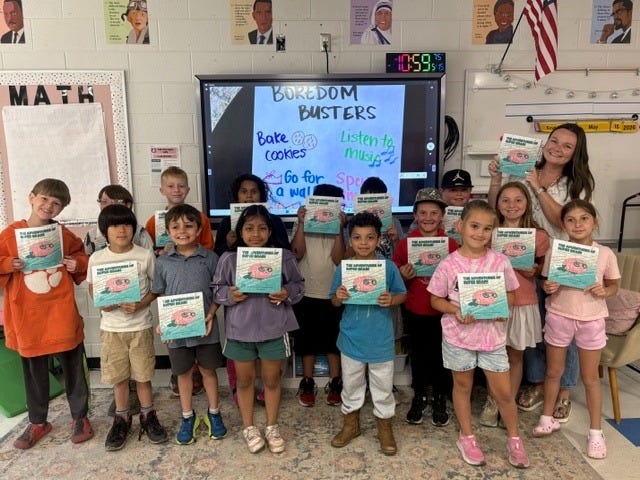
A few weeks ago, Anderson School District One became the first district in South Carolina to pilot ScreenStrong’s Super Brain Week, bringing the program to approximately 360 third- and fourth-grade students across two elementary schools.
Within a week, students started talking about habits, attention, and healthy choices in entirely new ways. They shared screen-free activity ideas with classmates, discovered new ways to connect and play together, and became excited to learn how their brains grow and develop.
What started as a simple classroom program quickly became a shared experience, sparking meaningful conversations among students, teachers, and families alike. And I’m so excited to tell you all about it today.
What Is Super Brain Week?
Super Brain Week is a simple, five-day classroom experience designed by ScreenStrong to teach children how their brains grow and how screens can affect focus, learning, habits, and healthy development.
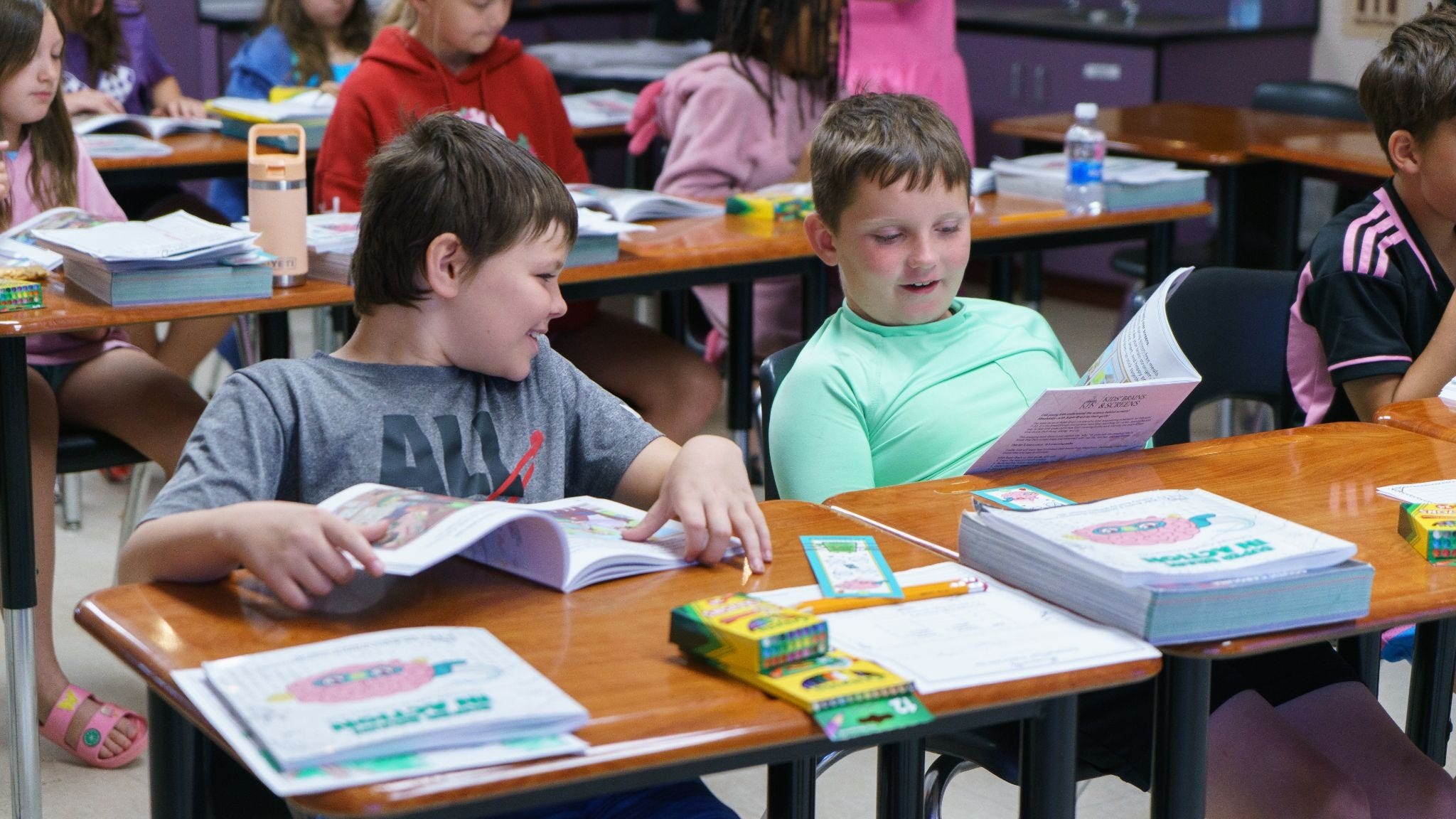
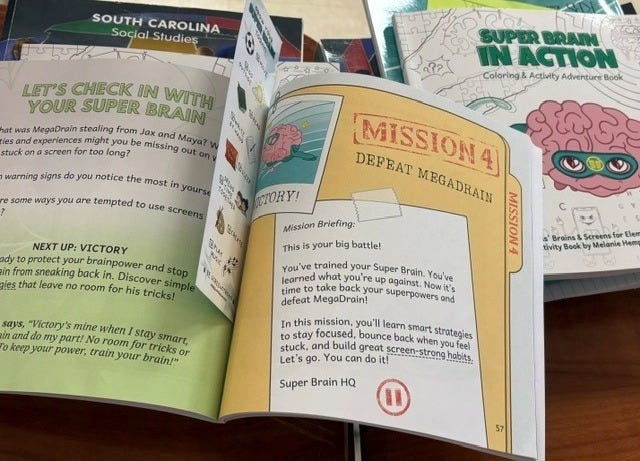
Using our latest book in the Kids’ Brains & Screens series, The Adventures of Super Brain, and its companion activity book, Super Brain in Action, students participated in one short “mission” each day from Monday through Thursday, followed by a Super Brain celebration on Friday.
The lessons introduced students to:
Simple brain science
Dopamine and habit loops
Healthy screen habits
What strengthens the brain
What can interfere with attention and learning
Real-life alternatives to screen time
The pilot comes at a time when schools are searching for practical, age-appropriate ways to teach students about life in a digital world. Rather than focusing on screen rules alone, Super Brain Week helps children understand the science behind attention, habits, and healthy development.
But this was more than just a lesson. It became a memorable experience for the whole school community.
“We’ve had really positive feedback from our teachers, and we’ve seen a lot of excitement from our students because this has given them the opportunity to really dive into and use some of the skills that you are able to learn without using technology.”
—Kristen, Director of Digital Learning
The Kids Fully Bought In
One of the biggest surprises was how quickly students embraced the language of brain science.
By the middle of the week, students were talking about “MegaDrain” as if it were a character they already knew. They reminded each other about healthy habits, compared screen-free activity ideas, and proudly shared what they were doing instead of spending time on devices.
The Super Brain in Action activity book became a huge hit, too.
Students loved and looked forward to:
Doing the puzzles and games
Coloring
Creating their own screen-free activity lists
Planning fun activities
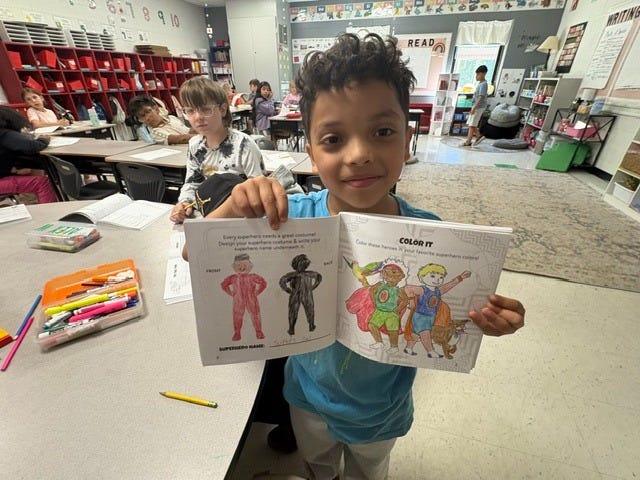
Many students were eager to participate in discussions and share examples from their own lives. Rather than resisting the conversation, they leaned into it.
“I think that not always having a screen is the best thing because you get to learn more.”
—Ava, 4th grader
The Teachers Loved It, Too
“They’re realizing why screens are addictive. They’re seeing the chemical imbalance in their brains. And they’re like, ‘Oh, this is why my teacher doesn’t allow us to do this.’”
—Sierra, 4th-grade teacher
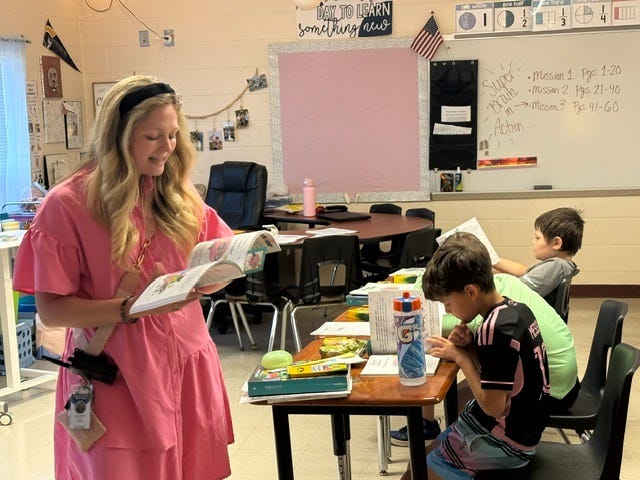
Teachers consistently reported high levels of student engagement throughout the week. Classroom discussions were lively, students connected easily with the concepts, and many teachers shared how simple the program was to implement.
The structure was intentionally simple and easy to implement:
One short read-aloud chapter and discussion each day
A few workbook activities
About 15–20 minutes per day
No complicated prep. No extracurricular burden. Just meaningful conversations grounded in brain science.
Teachers reported:
Strong student participation
Meaningful classroom discussions
Increased awareness around focus and habits
Positive classroom energy
One unexpected favorite? The Super Brain Week stickers, bookmarks, and posters quickly became classroom conversation starters and visual reminders throughout the week.
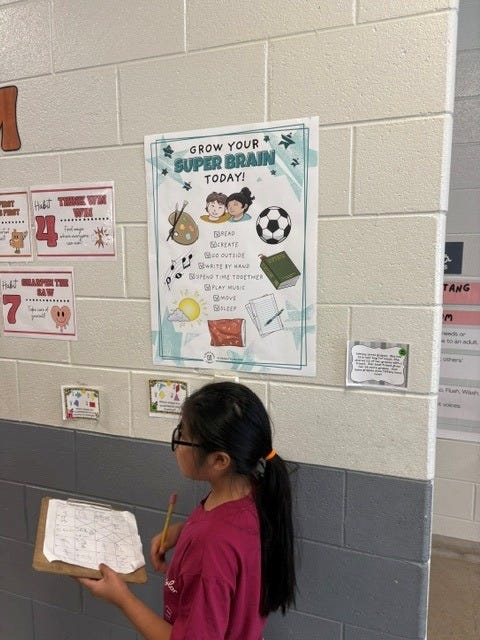
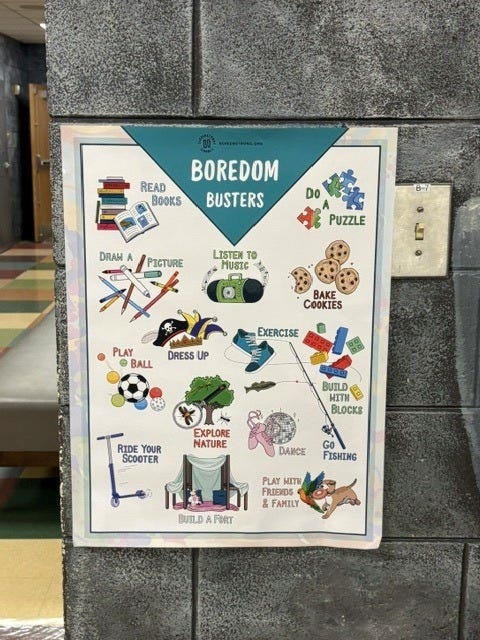
“A lot of them have talked about how they went home, and they went outside to play instead of going to play video games, and I think that’s a big win.”
—Anna, 4th-grade teacher
Why Elementary School Matters So Much
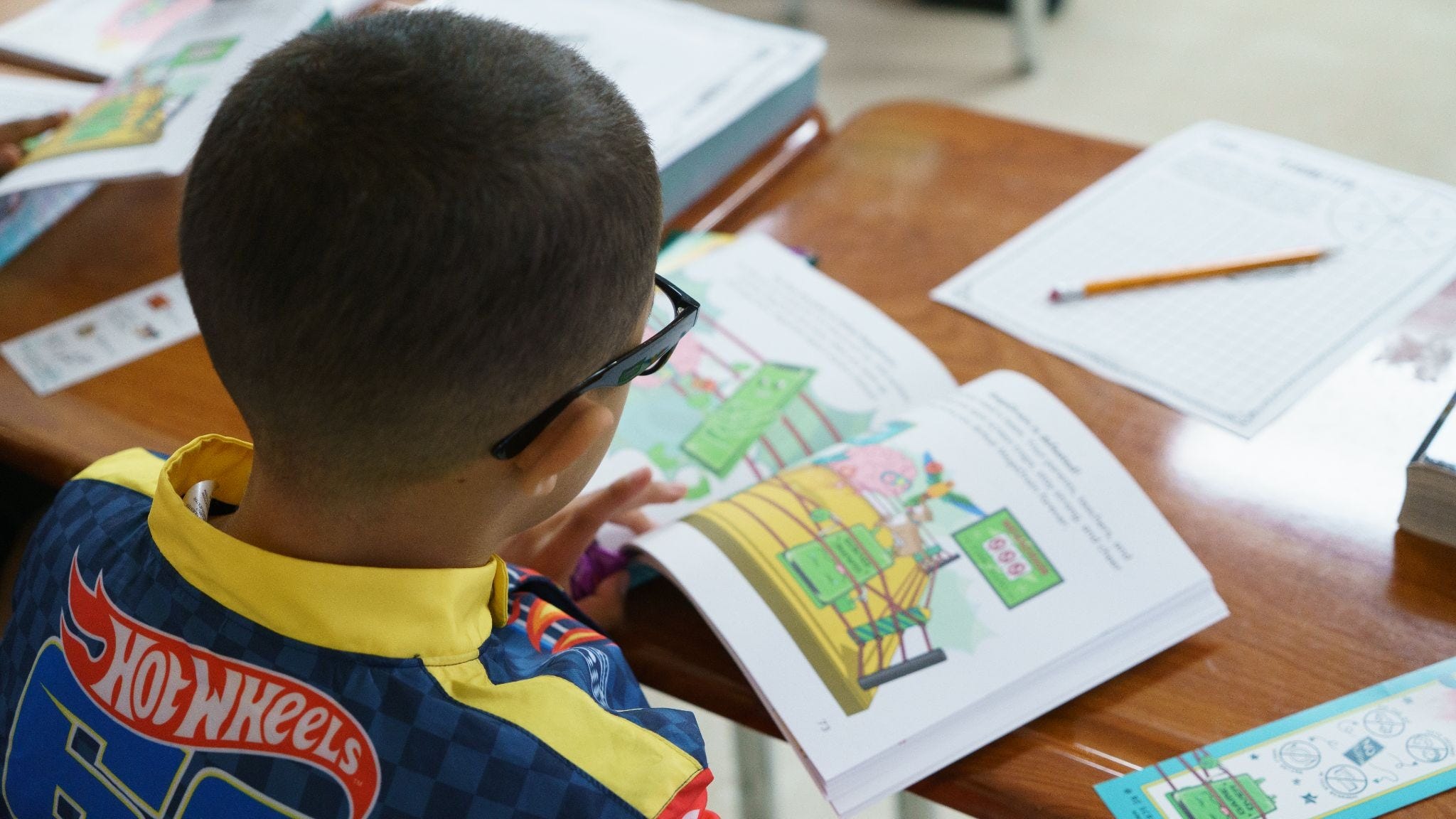
ScreenStrong was honored to partner with these pilot schools, who share one of our strongest beliefs: If we want different outcomes for teenagers, we must start earlier.
By middle school, many digital habits are already deeply ingrained. Elementary school, however, remains a critical window for brain development and habit formation.
Children deserve to understand:
How their brains work
Why screens can be hard to turn off
What strengthens attention
Why real-life activities matter
When children understand the “why” behind healthy habits, something shifts. The boundaries adults set—both at school and at home—begin to make more sense. Conversations become easier. And healthy choices become more meaningful.
One Week Can Start a Shift
What happened in these classrooms was bigger than a single school activity. It marked the beginning of a shared language among students, teachers, and families.
Students brought the conversations home. Families were encouraged to participate through a screen-free challenge sent home during the week. Teachers reinforced the concepts in the classroom.
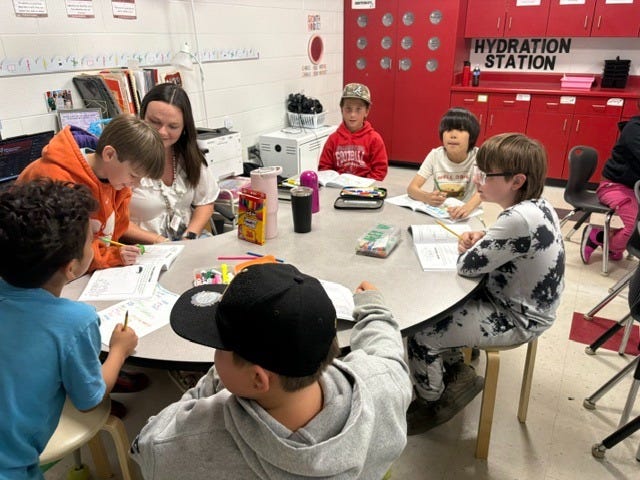
And for one week, children experienced something many of them need more of: a positive vision of what life beyond screens can look like.
More conversation. More creativity. More coloring. More movement. More real life.
This Can Happen in Your School, Too
One of our goals when designing Super Brain Week was to make it easy to implement, because we know how much teachers already do throughout the day. We were thrilled to see this goal being met in real classrooms with real teachers. Teachers and staff both commented on how simple it was to launch—and it can be brought to your school, too.
Super Brain Week is perfect for a variety of learning environments, including:
Public schools
Private schools
Homeschool groups
Church schools
Co-ops
It only takes:
A willing teacher or administrator
The classroom materials
One week
That’s it.
And in many communities, local businesses, PTOs, and community organizations are eager to sponsor the materials and help make it happen.
Let the Shift Begin
This pilot reminded us of something important: children are hungry for real life.
They want connection, creativity, movement, and opportunities to better understand themselves and the world around them.
When we give children language for what’s happening in their brains—and adults willing to lead—they respond.
As schools continue looking for ways to help students develop healthier relationships with technology, Super Brain Week offers something simple, practical, and hopeful: an opportunity to start the conversation early.
One classroom at a time, we can begin rebuilding a healthier childhood culture. And this pilot reinforced what we have long believed: children are ready for it.
For more information on bringing Super Brain Week to your school, contact us at team@screenstrong.org or download the free Super Brain Week Guide.

If you aren’t a teacher or school administrator but want to purchase The Adventures of Super Brain and its companion activity book for use in your home, you can order them directly from our website.
If you're working to help kids avoid screen addiction and build healthier lives—whether at home or at school—ScreenStrong is here with science-backed resources to help.
ScreenStrong Resources
Melanie Hempe, RN, is the founder of ScreenStrong, a nonprofit organization, and the author of the Kids’ Brains and Screens Series for students and parents. She is dedicated to preventing and reversing childhood screen addictions by providing scientific evidence and community for families around the globe. Her educational material is filled with everything she wished she had known before her oldest child suffered from a screen addiction. ScreenStrong has created what every family needs—education and community—to help teens avoid toxic screen harms throughout adolescence so they can reach their full potential.
Visit ScreenStrong.org to learn more and see our KBS offerings, including our new Adventures of Super Brain for elementary schoolers. Join the community that is saving children from screen addictions.